
Asexual and Aromantic Identities
October 19, 2022
Asexual & Aromantic Identities
Sexual Attraction refers the level of (or lack of) sexual interest or desire we have for another person, particularly when it comes to being physically intimate - like kissing, cuddling and sex.
Romantic attraction refers to the level of romantic interest we have for another person, particuarly when it comes to being emotionally intimate - like going on dates, feeling emotional attraction, and wanting to say 'I love you'.
Sexual attraction and your romantic attraction don’t always line up, and can be separate experiences. You might be romantically attracted to people of all genders, but only sexually attracted to men.
Asexual is the term used to describe the experience of having little or no sexual attraction towards other people. It is sometimes shorted to Ace.
Aromantic means someone who experiences little or no romantic attraction, and is sometimes shorted to Aro.
Some people can be both Asexual and Aromantic, or just one.
Inclusive Language
Both asexual and aromantic are adjectives.
✔️ Krishna is aromantic, so doesn't have romantic relationships.
Asexuality is Different to Abstinence
Abstinence and asexuality aren't the same. Abstinence desribes making the choice to not have sex, regardless of whether you’re sexually attracted to anyone or not. A lot of the time people choose to abstain from sex because they have a lot of desire for it.
Asexuality is a lack of sexual desire or attraction, regardless of whether you have sex or not. Asexual people can have a range of attitudes towards sex - some might not have any desire for sex, others might enjoy it but not desire it, while others might feel completely indifferent towards it.
It's Not a Phase, But Can Change Over time
Like all identities, an individual's attraction is fluid and can change over time. That said, a lot of asexual people continue to identify this way throughout their whole life.
Why We Talk About it
We live in a world that places a lot of value on sexual and romantic attraction. Conversations about who we are dating can come up at work, home or with friends. It can be isolating to not feel these types of attractions when others are talking about them. The great thing about Ace and Aro identities is having a term used to describe these experiences, knowing there's nothing wrong with them and that there's a whole community of asexual and aromantic people that exists!
The Best Things About Being Asexual or Aromantic
The experiences of people who are asexual or aromantic can differ great from person to person. While not the case for everyone, some describe the positives as:
- The ability to find deeper connections based upon authentic desires and needs.
- The freedom to forge deeper connections outside of romantic or sexual relationships, including with family and friends.
- Those who do not engage in romantic relationships can describe feeling free from the stress and heartbreak that these can bring.
Asexual and Aromantic Discrimination
Some asexual or aromantic people identify with other parts of the LGBTQIA+ community, and are therefore able to experience these same forms of discrimination. In addition to these, ace and aro people experience unique forms of discrimination:
Asexual Erasure & Dehumanisation
- The belief that asexual or aromantic people do not exist, or that these experiences are just a phase.
- Drawing comparisons between asexual or aromantic people to robots or inanimate objects.
- Dating apps and other services not including asexual or aromantic identities in filters.
Violence and Harassment
- Much of the violence and harrassment ace and aro people face comes from others attempting to "fix" them. This includes unwanted sexual advances and sexual assault.
- This experience can also occur from medical staff, who attempt to "fix" a person's asexuality through medication or other treatments.
Being an Ally to Asexual and Aromantic People
There are simple, every day ways you can turn your knowledge of LGBTQIA+ identities into meaninful allyship, and help build a world free from discrimination. Keep reading to find out how.
Related Articles

LGBTQIA+ employees are less likely to be ‘out’ at work in 2025 than they were in 2022. Urgent action is needed, and every workplace can make a difference.
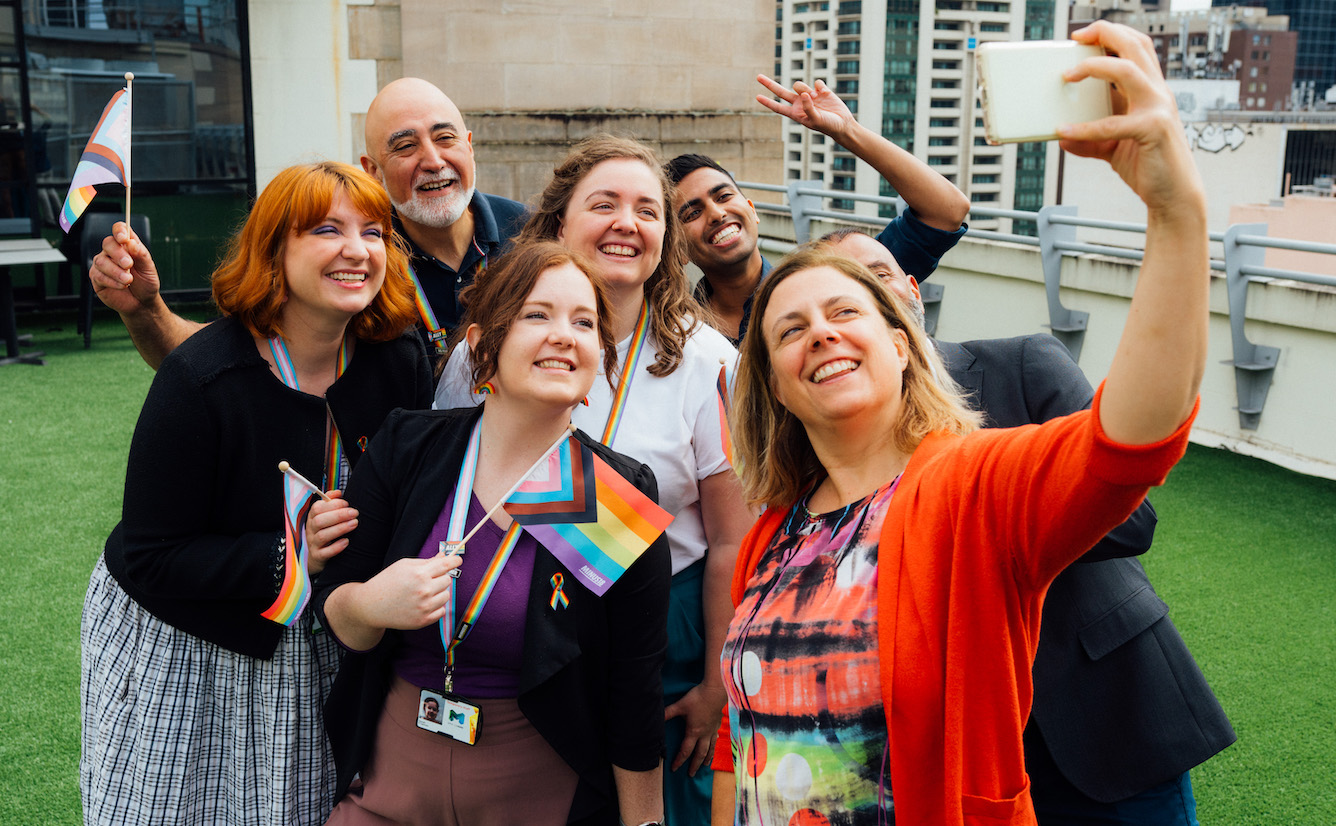
LGBTQIA+ days of significance – like IDAHOBIT – are days for both community and allies. Here's a list of current days, celebrating LGBTQIA+ identities and history.
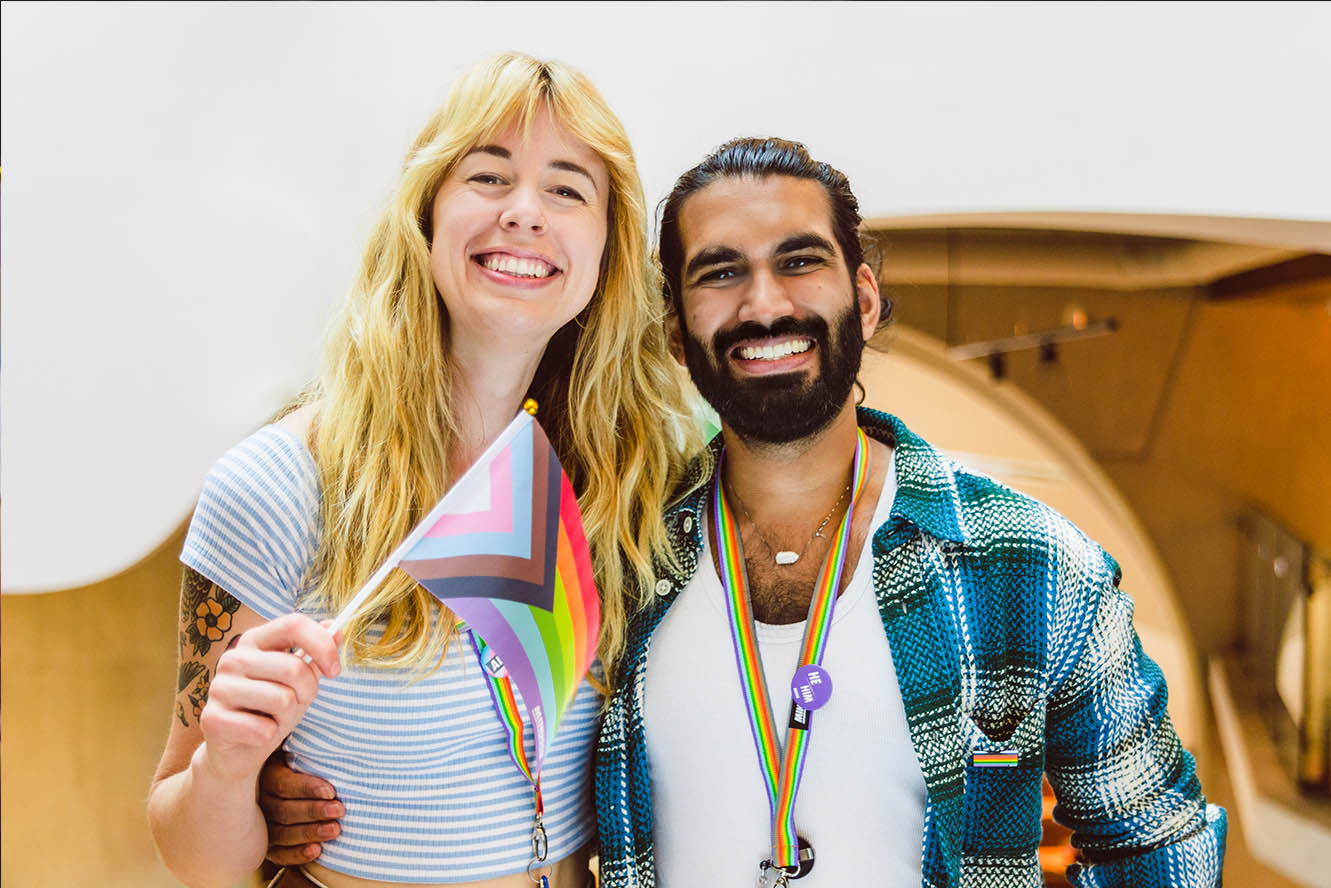
Lesbian and gay people are usually attracted to others of the same gender – but the word has evolved to include different experiences too.

Learn about bisexual identity and the discrimination bisexual people can experience.